Community cats · Oʻahu, Hawaiʻi
TNRM: care that doesn’t stop.
Trap · Neuter · Release · Manage
Preventing new litters is only part of the work. TNRM connects humane trapping and veterinary care with an ongoing commitment to community cats.
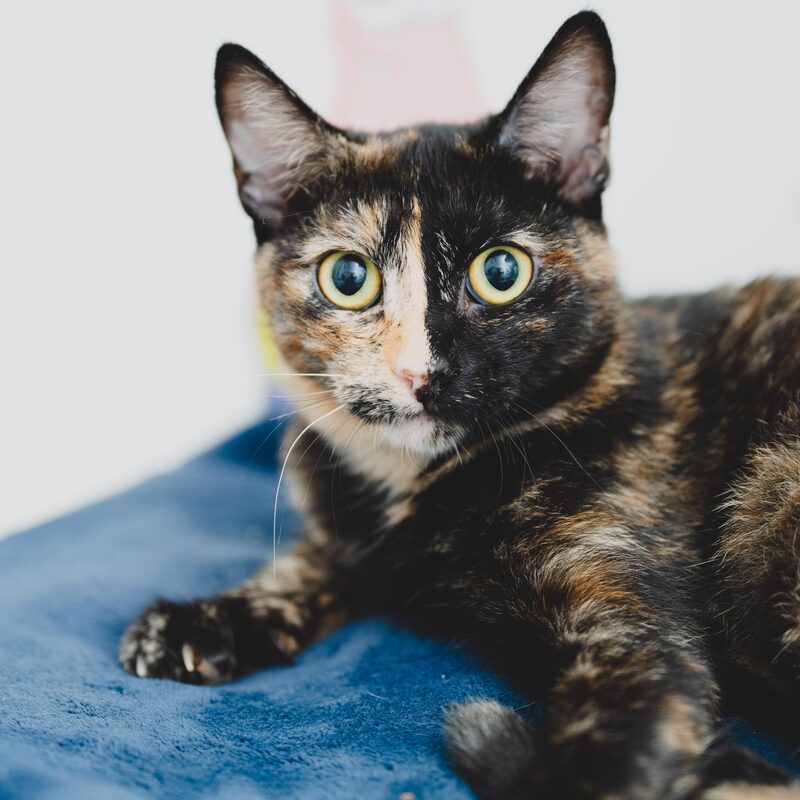
The big picture
A long-term commitment.
Not a one-time visit.
TNRM stands for Trap–Neuter–Release–Manage: an approach to caring for free-roaming community cats while preventing additional litters through spay and neuter.
Lucky Paws has supported TNRM advocacy on Oʻahu since 2020. Our all-volunteer team works to relieve suffering and connect friendly cats with foster or adoption opportunities whenever possible.
Different cats need different plans. The aim is to look at the whole situation—the cats, the people caring for them, and their surroundings—before deciding on next steps.
Four connected steps
How TNRM works
A coordinated plan brings people, veterinary care, and ongoing caretaking together.
Trap
Plan humane trapping with experienced support, including the appointment, transport, and recovery arrangements.
Neuter
A licensed veterinarian provides spay or neuter surgery and determines appropriate additional care.
Release
After recovery, follow a coordinated plan for the cat’s established location when appropriate. Some cats may need another care pathway.
Manage
Continue responsible caretaking, monitor the cats and new arrivals, and seek help when their needs change.
This is a program overview, not a do-it-yourself trapping or medical guide. Coordinate the details before trapping; veterinary advice and location-specific requirements matter.
Start with the situation
Need help with
community cats?
Tell us what you’re seeing and what support you need. Useful details include:
- The neighborhood or location and approximate number of cats.
- Whether there are kittens, new arrivals, or visible health concerns.
- What care is already in place and whether anyone is coordinating it.
- How to reach you, and whether you can help with transport or temporary care.
Share exact locations and contact details through the Help form, not in public comments.
A little clarity
Common questions
Why do we call it TNRM?
We use Trap–Neuter–Release–Manage to make ongoing care explicit. The “M” keeps attention on what happens after surgery and release: monitoring, coordination, and continued responsibility.
Is every outdoor cat a candidate for release?
No single pathway fits every cat. Friendly cats may have foster or adoption options, and kittens or cats with health concerns may need different support. Describe the situation so the team can help identify appropriate next steps.
Can I book a trap, surgery, or pickup here?
This page is not a booking system. Start with a Help request to discuss the support you need. Availability, costs, timing, and any equipment arrangements must be confirmed before you make plans.
Where can I find more local resources?
Our Resources page brings together local contacts and information. Check current availability and requirements directly with each provider.
There’s a place for you
Help the care continue.
Interested in volunteering, fostering, or supporting the work? Tell us about your availability and interests, or help fund care for Lucky Paws cats.